The Place
Myers Park Historic Homes
Old, historic, and designated are three different things — and in Myers Park they are routinely conflated. Here is what each one actually means for a house you might buy.
Reviewed · Discover Myers Park editorial desk
Three categories people mix up
A Myers Park house can be architecturally historic without being legally protected. Only parcels inside a local historic district, or carrying individual landmark designation, are subject to exterior design review.
- Simply old. A large share of the neighborhood's housing stock predates 1950. Age alone imposes no review requirement — but it does impose real construction realities, covered in the renovation guide.
- Locally designated. Properties within an adopted local historic district, or designated as local landmarks, go through a Certificate of Appropriateness process for exterior changes visible from the public right-of-way.
- National Register listed. A federal honorific recognising significance. On its own it does not restrict a private owner spending private money, though it can open certain rehabilitation tax credit programmes. Verify eligibility rules with the State Historic Preservation Office.
What Certificate of Appropriateness review covers
Where it applies, review focuses on exterior change: additions and their massing, demolition, window and door replacement, roofing materials, porches, and site features visible from the street. Adopted design standards guide the decision, and the process runs before a building permit issues, which is why it belongs in your project schedule rather than at the end of it. Requirements are set by the City of Charlotte and change; confirm the current process directly with the Historic District Commission.
Buying a historic house here, practically
- Confirm designation status for the exact parcel before you write an offer.
- Ask what has already been replaced — windows, roof, mechanical systems, and wiring are the expensive four.
- Get a structural opinion on original masonry and framing, and an arborist opinion on the trees. Canopy rules can affect where an addition can physically go.
- If you plan an addition, sketch it before closing. What is possible on a 1920s platted lot is narrower than buyers expect.
Where historic character actually lives
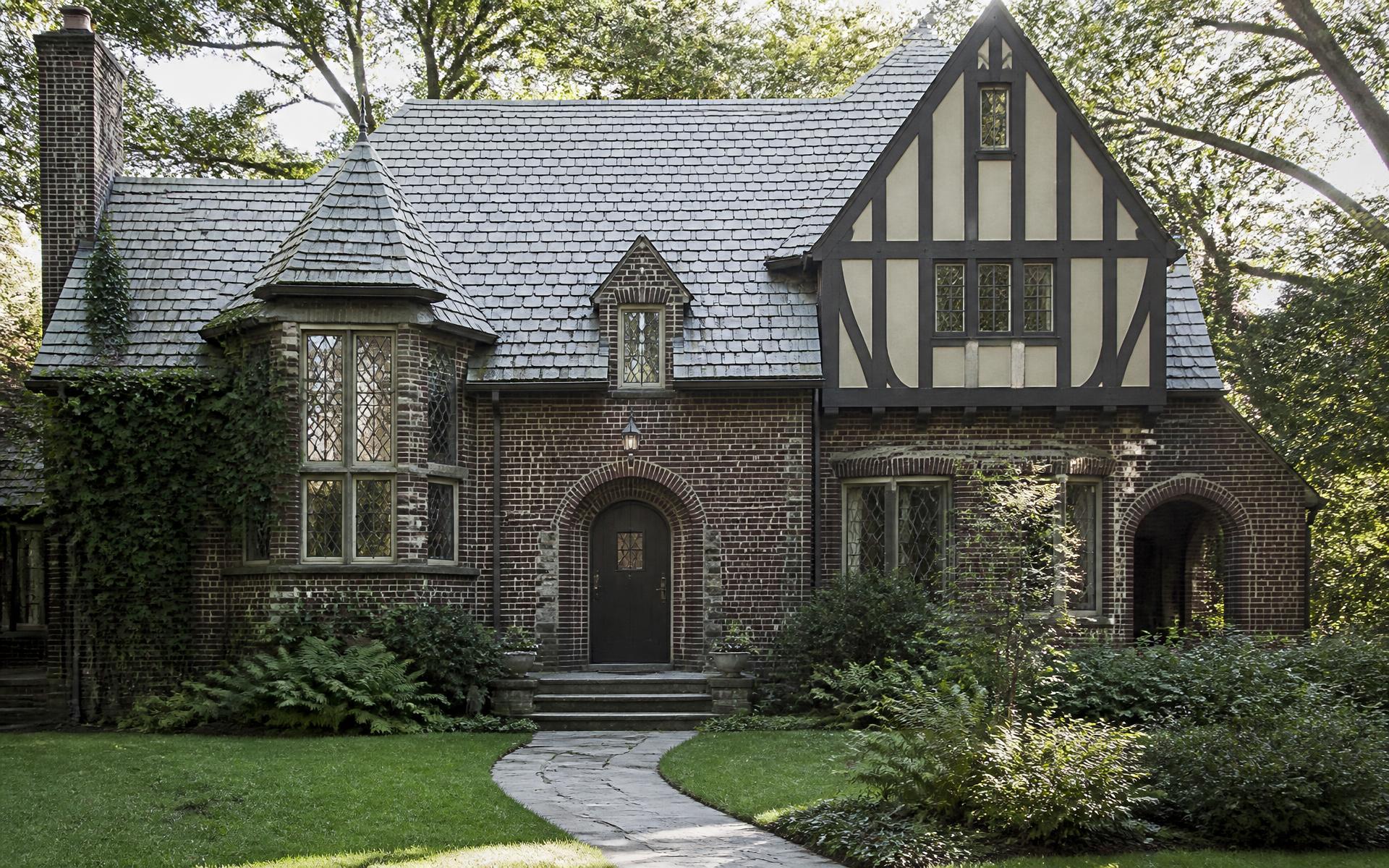
The neighborhood's historic quality is as much streetscape as it is individual houses: the curved rights-of-way, the deep setbacks, and the willow oaks specified in the original plan. That context is why a sympathetic renovation reads well and an out-of-scale one does not. See Myers Park architecture, Queens Road West, and the full history.
Questions
Frequently asked
No. Myers Park contains houses from the 1910s through the present day, and being old is not the same as being designated. Formal protection applies only to parcels inside a local historic district or carrying individual landmark designation — confirm any specific address with the Charlotte Historic District Commission.
Local historic district designation and local landmark designation are administered by the City of Charlotte and Charlotte-Mecklenburg Historic Landmarks Commission and carry design review over exterior changes. National Register listing is a federal honorific administered through the State Historic Preservation Office; on its own it does not restrict what a private owner does with their own funds. The two are frequently confused.
Yes. Renovation happens constantly here. Where a property sits in a local historic district or is a designated landmark, exterior work generally requires a Certificate of Appropriateness reviewed against adopted design standards before a building permit issues. Interior work is typically outside that review. Confirm current requirements with the Historic District Commission for the specific parcel.
Source: City of Charlotte / Mecklenburg County Code Enforcement permitting
Check the property against the Charlotte Historic District Commission's district maps and the Charlotte-Mecklenburg Historic Landmarks Commission's landmark list, and confirm the parcel boundary on the Mecklenburg County POLARIS viewer. Never rely on listing copy for designation status.
There is no reliable general answer, and anyone offering one is guessing. Designation adds review requirements and, for some buyers, adds confidence that the surrounding streetscape will not change. Its effect on a specific property is an appraisal question.
Continue reading
- Read →
Architecture of Myers Park
Georgian Revival, Tudor, Colonial Revival, and the modern houses that earned their place among them.
- Read →
Renovating a Historic Myers Park Home
Additions, kitchens, systems, and the review process for houses older than the city around them.
- Read →
The History of Myers Park
From cotton farm to John Nolen's 1911 streetcar suburb, and the century of stewardship that followed.
- Read →
Myers Park Luxury & Estate Homes
What defines the top of this market, how estate parcels differ, and the diligence that matters.