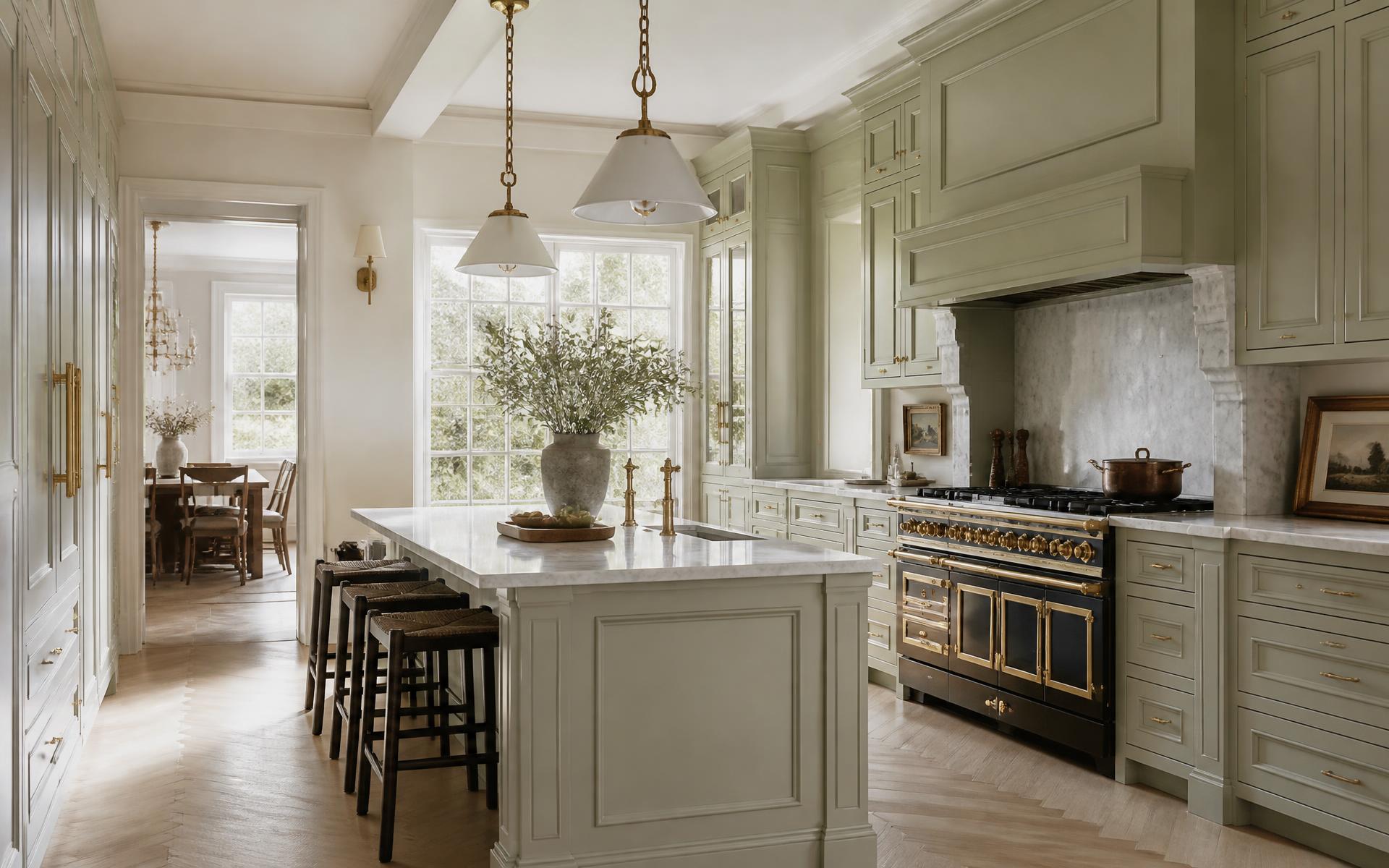
Design & Build
Renovating a Historic Myers Park Home
Houses older than the city around them, with plaster walls, original sash, and a hundred years of previous decisions to undo.
Reviewed · Live Myers Park editorial desk
What to Plan Before Renovating
Establish the Constraints First
Historic district status, landmark designation, recorded covenants, and protected root zones. On a designated property, exterior work requires a Certificate of Appropriateness before permits issue — including changes owners often assume are routine, such as window replacement or fencing.
Additions That Work
The successful ones sit behind the original mass, stay below the existing ridge, and repeat the original material palette rather than contrasting with it. The unsuccessful ones break the roofline or push past the rear building plane of neighboring houses.
Systems in Old Houses
Plaster walls, balloon framing, and no existing chases make mechanical, electrical, and low-voltage routing the genuinely hard part. Plan HVAC, wiring, and network infrastructure at the same time as the architecture, not after the walls are closed.
What Devalues a House Here
Vinyl trim, snap-in window grilles, thin-set stone, undersized replacement sash, and additions that read from the street. Each of these is visible from the sidewalk, and buyers in this market notice.
Continue reading
- Read Chapter →
Myers Park Historic Homes
Old, historic, and designated are three different things. What each one means for a house here.
- Read Chapter →
Building a Custom Home in Myers Park
Lot selection, historic review, canopy protection, and the realistic timeline for new construction.
- Read Chapter →
Architecture of Myers Park
Georgian Revival, Tudor, Colonial Revival, and the modern houses that earned their place among them.
- Read Chapter →
The Tree Canopy
Why the willow oaks exist, who protects them, and what that means if you own one.