The Place
The Tree Canopy
The willow oaks are the reason Myers Park looks the way it does. They are also, practically speaking, the reason building here is harder than building anywhere else in Charlotte.
Reviewed · Discover Myers Park editorial desk
Infrastructure, Not Landscaping
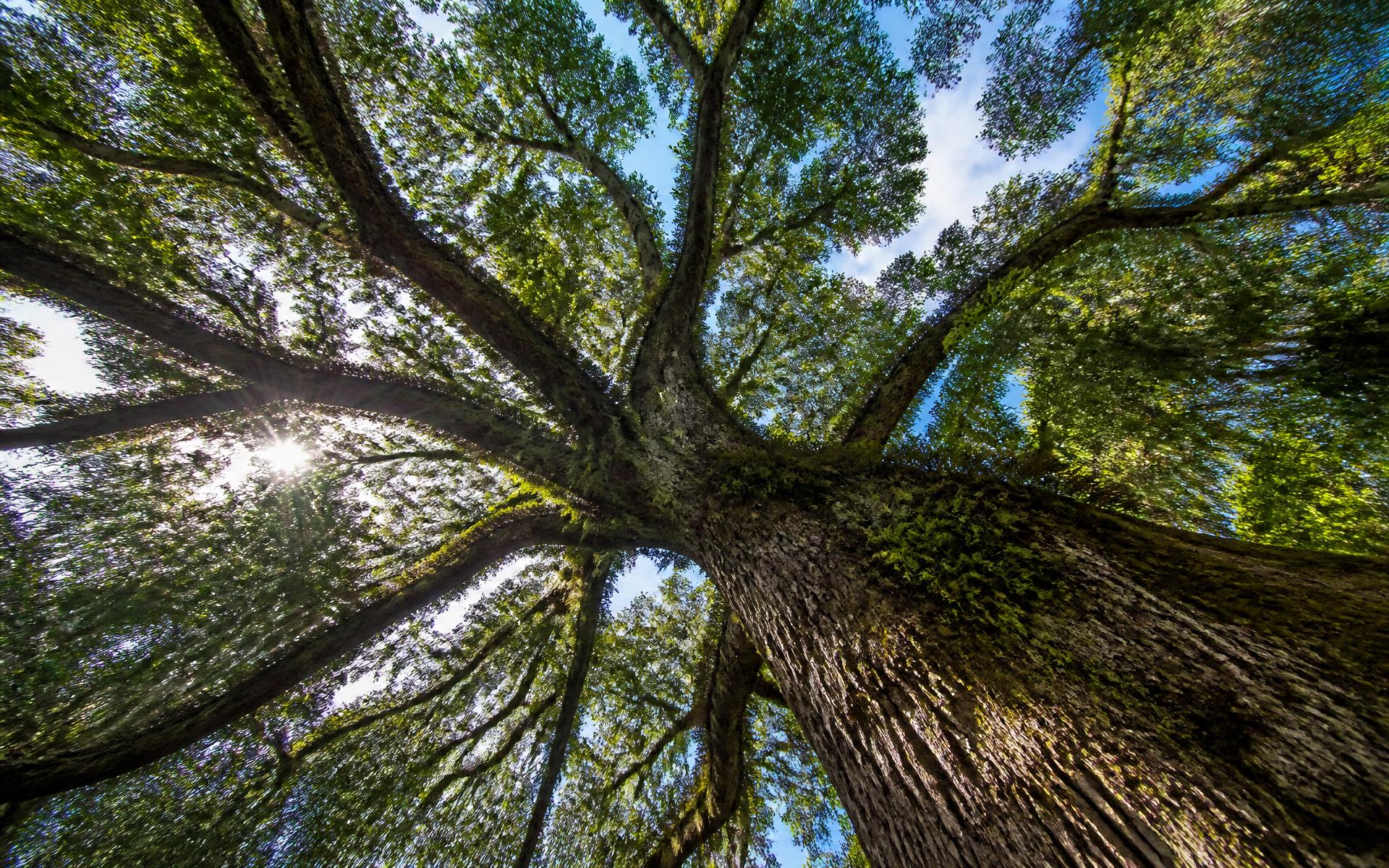
Charlotte calls itself a city of trees, and the claim rests substantially on neighborhoods like this one. The canopy over Myers Park is not remnant forest — it is a planted, managed, century-old public work, specified in the 1911 plan and sustained since by a combination of city forestry, nonprofit stewardship, and a resident population unusually willing to fight about it.
That management is why the rules exist. Charlotte's tree ordinance regulates removal in development contexts and imposes protected root zones during construction; street trees in the right-of-way are city property; and on designated historic properties, tree and site work can also fall within design review.
What this means in practice
Before you buy a lot
Have an arborist walk it. Trunk diameters, species, condition, and root-zone geometry determine what can physically be built — often more than zoning does.
Before you draw plans
Map protected root zones onto the survey first, then design within them. Redesigning a foundation after tree protection review is the most expensive way to learn this.
During construction
Fencing, no-storage zones, and access routing are enforceable, not advisory. Damage to a protected tree can stop a job and trigger replacement obligations.
As an owner
Budget for annual inspection and structural pruning on mature oaks. A hundred-year-old tree over a slate roof is an asset with maintenance requirements.
Succession
A canopy planted almost entirely at once, largely of one species, ages almost entirely at once. Storm losses, root compaction from a century of infrastructure work, and ordinary senescence mean the neighborhood is in a slow replacement cycle whether it wants to be or not. Diversifying species and planting ahead of losses is the current stewardship priority, and it is why residents are asked to plant on private property, not just protect what stands in the right-of-way.
If you are planning work, read Renovating a Historic Home and Building a Custom Home next — both cover the review sequence in the order you will actually encounter it.
Questions
Frequently asked
Predominantly willow oaks, planted as street trees beginning in the 1910s under the original subdivision plan. They are supplemented by white and red oaks, southern magnolias, dogwoods, crepe myrtles, and the azaleas that make the neighborhood's spring display, most of which sit on private property rather than in the right-of-way.
Trees within the public right-of-way — typically the planted strip between sidewalk and curb — are city assets managed by Charlotte's urban forestry program. Homeowners generally may not remove or heavily prune them without city involvement, and the city handles hazard assessment and replacement.
Requirements depend on tree size, species, location, and whether the property is undergoing development or permitted construction. Charlotte's tree ordinance regulates removal in a development context and protects root zones during building activity. Check current rules with the city's tree canopy program before any removal.
Source: City of Charlotte / Mecklenburg County Code Enforcement permitting
A designated area around a tree's trunk, sized relative to trunk diameter, in which excavation, grading, trenching, compaction, and material storage are restricted during construction. Protected root zones are the single most common reason a Myers Park building plan has to be redrawn — they frequently constrain driveways, additions, pools, and utility runs.
The canopy is the neighborhood's defining visual asset and a substantial portion of what buyers are paying for. Blocks that have lost mature trees to storms or construction visibly differ from those that have not, which is why canopy protection is treated locally as a property-value issue rather than only an environmental one.
Willow oaks planted in the 1910s and 1920s are mature and, in some cases, in decline — the canopy requires ongoing replacement, not just protection. TreesCharlotte and the city's forestry program run planting and stewardship efforts precisely because a century-old monoculture canopy has to be succeeded deliberately.
Continue reading
- Read →
Queens Road West
The most photographed street in Charlotte: its willow oak cathedral, its houses, and its rules.
- Read →
The History of Myers Park
From cotton farm to John Nolen's 1911 streetcar suburb, and the century of stewardship that followed.
- Read →
Renovating a Historic Myers Park Home
Additions, kitchens, systems, and the review process for houses older than the city around them.
- Read →
Parks, Greenways & Trails
Freedom Park, Little Sugar Creek Greenway, Symphony Park, and the loops residents run every morning.