
Planning Outdoor Time Without Fabricated Distances
A thoughtful outing through neighborhood parkland begins by consulting actual operator notices, choosing a verified entrance, and avoiding assumed walking connections between outdoor destinations.
Eat & Drink
· 5 min read · Live Myers Park editorial team
Editorial illustration · not a documentary photograph
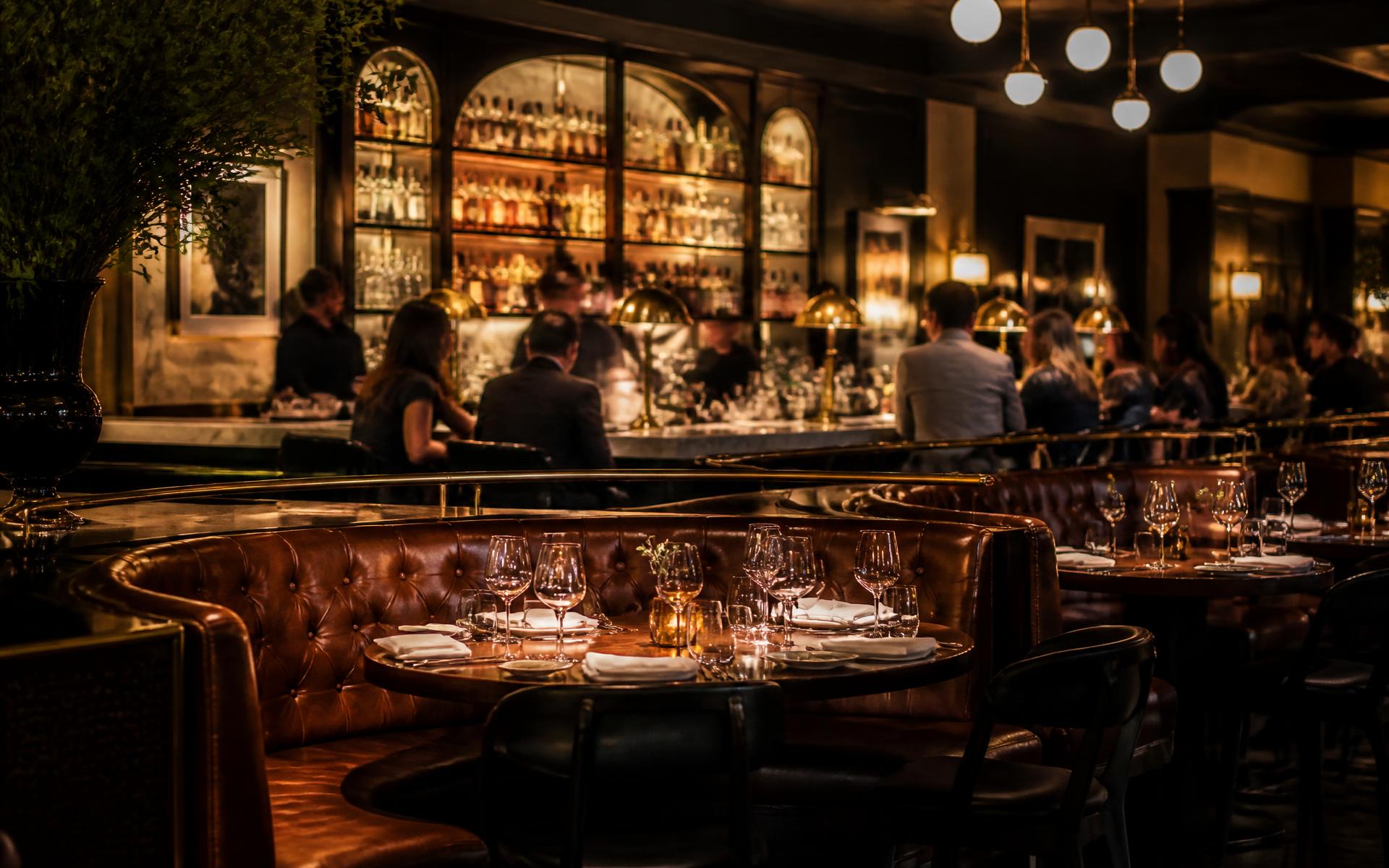
An evening organized around Charlotte's older streetcar neighborhoods frequently stumbles when the meal is treated as an afterthought. It is tempting to spend an afternoon wandering residential lanes or touring an exhibition, assuming that a suitable table will simply appear whenever hunger dictates. In practice, dining rooms with limited seating and steady community followings operate on clear reservation schedules, structured seatings, and defined service hours. When dinner is left unsettled until dusk, the day's pacing unravels, forcing compromises that turn an otherwise leisurely outing into a hurried search for counter space or bar seats.
Reversing that sequence produces a far more settled rhythm. Deciding first where and when to sit down establishes a fixed geographic pivot for the entire excursion. A confirmed reservation sets clear boundaries: it dictates what time an afternoon activity must conclude, provides a realistic transit radius, and eliminates the ambient friction of coordinating multiple schedules on the fly. Whether one looks to the quiet residential junctions along Selwyn Avenue, the stately corridor of Providence Road, or the commercial border at Park Road, establishing the table first allows the rest of the day to fall into natural proportion.
This discipline applies regardless of whether the outing is a solitary wind-down, a casual neighborly catch-up, or a deliberate date night. Myers Park and its neighboring quarters do not function as a single contiguous entertainment strip where one can stroll casually from venue to venue without regard to distance. The street grid contains distinct pockets of commerce separated by quiet residential blocks, historic trees, and private properties. Understanding the geography and operational realities of each dining room ensures that the table serves as a deliberate anchor rather than an inconvenient scramble.
Along Selwyn Avenue, dining balances intimate neighborhood character with active street presence. At 2839 Selwyn Avenue, The Jimmy presents a Mediterranean-inspired program influenced by Italian and French coastal traditions, with an emphasis on pizza and pasta from Noble Food & Pursuits. Because it shares this commercial junction with other neighborhood destinations, securing a table in advance is a practical necessity rather than an optional formality. A planned seating here shapes how one approaches the surrounding blocks, ensuring that arrival is calm and purposeful rather than spent circling for immediate seating.
Just steps away at 2823 Selwyn Avenue, Reid's Fine Foods offers a dual format that combines a specialty grocery market with a full dining room. Because market hours and restaurant kitchen service run on separate schedules, visitors must identify which service they require before building their itinerary. A sit-down dinner in the dining room demands different timing than picking up prepared provisions for home. Next door, at 2801 Selwyn Avenue, Selwyn Avenue Pub provides an established patio and food menu for an entirely different cadence—one suited to open-air casual conversation rather than structured multi-course dining. To understand how these distinct operations fit together along this central artery, readers can explore our dedicated overview of Selwyn Avenue.
Moving eastward toward the boundary where Myers Park meets Eastover, Providence Road holds long-standing venues that anchor the neighborhood's dining traditions. At 715 Providence Road, Stagioni operates within a historic residence, presenting an Italian menu from Moffett Restaurant Group. The domestic architecture of the building naturally limits table capacity, giving the interior an intimate atmosphere while making advance reservations indispensable. When dining at an address with this level of architectural and culinary specificity, building an afternoon around a visit to Mint Museum Randolph on nearby Randolph Road requires treating the museum admission and the dinner booking as two distinct, independently managed commitments rather than an open-ended walking tour.
A few blocks away, at 511 Providence Road, Fenwick's occupies the intersectional seam of Myers Park and Eastover. Known for comfort-food hospitality, the restaurant offers a counterpoint to formal restaurant dining. Because its interior is intentionally modest in scale, assuming casual availability during peak evening periods often leads to long delays. Those seeking to organize an evening around this stretch of Providence Road must confirm current menus and operational policies directly with the business. For a broader perspective on the area's established culinary landscape, consult our canonical guide to restaurants across the neighborhood.
Not every Myers Park dinner begins and ends within the residential canopy. Several essential dining rooms sit directly on the commercial fringes, requiring a realistic understanding of municipal district boundaries. Flour Shop, situated at 530 Brandywine Road (Unit A) behind Park Road Shopping Center, focuses on wood-fired cooking and handmade pasta. The open kitchen and focused seating arrangement make it an exceptional culinary destination, but its location belongs to the shopping center district rather than the quiet residential core of Myers Park. Planning an evening that includes a stop at Flour Shop means accounting for parking and commercial traffic distinct from the residential side streets.
Similarly, Little Mama's Italian Kitchen operates at 4521 Sharon Road within SouthPark, an entirely separate district south of Myers Park. While accessible for an evening meal, it is distinct from its sister concept at Rea Farms and should never be conflated with an interior neighborhood address. Recognizing these geographic distinctions prevents the common error of treating disparate shopping centers as interchangeable extensions of Myers Park itself. A thoughtfully planned outing relies on exact addresses and confirmed transit times rather than casual assumptions of neighborhood proximity.
Once a dining reservation is secured, the remaining daylight hours can be structured to complement the meal without creating logistical exhaustion. Pairing an afternoon cultural stop—such as timed admission to the historic grounds of Wing Haven Garden & Bird Sanctuary on Ridgewood Avenue—with a subsequent dinner booking on Selwyn Avenue creates an unhurried progression from botanical observation to the table. However, because sanctuaries and cultural sites maintain rigid closing hours and admission policies, these destinations cannot be strung together on an impromptu whim.
A successful schedule leaves generous margins between the afternoon destination and the dining room. A half-hour buffer provides time to return home, adjust attire, or simply avoid the stress of delayed seating. When dinner is established as the immovable foundation of the calendar, the surrounding hours feel deliberate rather than fragmented. Readers seeking practical frameworks for assembling balanced itineraries can consult our seasonal resource on how to plan your weekend across the district's public and cultural spaces.
Editorial note: this entry is part of the AI-assisted weekly journal published by Live Myers Park, not a firsthand visit or independently reported review. Figures, boundaries and school assignments change — verify anything you intend to rely on with the primary source. Nothing here is legal, tax or real estate advice.
More from the journal
A thoughtful outing through neighborhood parkland begins by consulting actual operator notices, choosing a verified entrance, and avoiding assumed walking connections between outdoor destinations.

Before drawing construction plans for an older Myers Park residence, owners benefit from systematically examining site drainage, existing framing limits, mechanical chases, and neighborhood scale.
An unhurried weekend in Myers Park works best when limited to a single anchor and one supporting stop, pairing quiet garden strolls or gallery visits with thoughtful neighborhood dining.
A neighborhood label often drifts across Charlotte retail districts, postal codes, and legal boundaries. Looking closely at real addresses clarifies how Myers Park actually meets its bordering quarters.

An afternoon at Mint Museum Randolph offers a quiet gallery setting in Eastover. Understanding the distinction between Charlotte's two Mint campuses helps shape an unhurried cultural excursion.
A clear-eyed accounting of where early twentieth-century domestic fabric retains enduring value in Myers Park, and where modern functional demands make replacement the wiser path.