
An Afternoon of Art at the Mint Museum Randolph
An afternoon at Mint Museum Randolph offers a quiet gallery setting in Eastover. Understanding the distinction between Charlotte's two Mint campuses helps shape an unhurried cultural excursion.
Living Here
· 6 min read · Live Myers Park editorial team
Editorial illustration · not a documentary photograph
In Charlotte, colloquial speech frequently broadens a district until the edges blur entirely. A commercial storefront several blocks outside an original plat is easily tagged with a neighborhood name for convenience, while mail sorting hubs group divergent enclaves under a shared numerical code. For anyone navigating property boundaries, municipal services, or simple daily routines, relying solely on casual terminology creates confusion where precision ought to govern.
A street address grounds place in physical reality. While marketing language treats neighborhood names as elastic descriptors, genuine geography relies on recorded parcels, historic subdivision lines, and actual municipal infrastructure. Understanding the distinction between a commercial branding effort, a postal delivery zone, and the historical reality of a neighborhood is fundamental to understanding what living in Myers Park truly means on the ground.
This distinction is particularly noticeable along the corridors where Myers Park meets its neighboring districts, including Dilworth, Eastover, and the commercial stretches of Park Road and Sharon Road. When one examines the specific addresses rather than generic labels, the true contours of south Charlotte become clear.
The postal system exists to sort and deliver parcels efficiently, not to preserve historic or planning identities. Several Charlotte neighborhoods share individual ZIP codes. A residential parcel near the corner of Queens Road and an apartment complex along a commercial thoroughfare miles away may arrive at the same terminal numbers, yet their architectural context, municipal zoning conditions, and street typographies bear little resemblance to one another.
Real estate listings and commercial directories often exacerbate this ambiguity by affixing prominent district names to addresses that sit strictly outside them. A business on Brandywine Road or Sharon Road may adopt a nearby residential neighborhood in marketing copy to suggest a particular character, but the physical location remains anchored to its actual commercial strip. Assessing an address requires looking at the street number, the recorded legal plat, and the surrounding canopy rather than trusting the nominal heading atop a printed menu or web page.
When evaluating residential properties, the advisors at Peters & Associates routinely separate colloquial descriptions from exact municipal filings. A home identified in casual conversation as belonging to Myers Park may, upon review of the surveyor plat, reside in a distinct subdivision altogether, carrying different municipal obligations, deed restrictions, and utility easements.
The boundary between Myers Park and Eastover illustrates how closely two historic neighborhoods can touch without merging. Along Providence Road, the shift from one enclave to the next occurs across individual frontages rather than dramatic topographical barriers. For instance, dining rooms such as Fenwick’s at 511 Providence Road occupy the threshold where Myers Park and Eastover meet, drawing from both communities while sitting at a specific, localized juncture.
Further along the corridor, Stagioni at 715 Providence Road anchors its service within a historic house in Eastover, offering a setting distinct from the leafy residential interiors of Queens Road. Across the road at 603 Providence Road, the fitness studio Pure Barre operates under the Charlotte Myers Park name, illustrating how brand designations affix themselves to commercial nodes regardless of technical residential dividing lines. Nearby at 1015 Providence Road, the Harris Teeter storefront is formally labeled Myers Park Center in directory listings, providing practical grocery shopping at an established crossroads.
Yet moving only a short distance down the avenue shifts the context entirely. Pasta & Provisions operates its pasta and specialty food shop at 1528 Providence Road, while The Fresh Market sits considerably farther south at 4207 Providence Road, deep into south Charlotte rather than the historic Myers Park or Eastover core. To treat these scattered Providence Road addresses as a single undifferentiated district is to overlook the substantial physical distances and varied urban settings that define them. Exploring these boundaries in depth reveals the individual character chronicled across our wider neighborhoods guide.
A similar geographical drift occurs to the west and south, where residential avenues give way to commercial centers. Park Road Shopping Center represents its own commercial district rather than an interior residential pocket. Behind the main center, along Brandywine Road, establishments like Amélie’s French Bakery & Café at 524 Brandywine Road and Flour Shop at 530 Brandywine Road provide specialized dining and counter service. While visitors often combine an afternoon here with a drive beneath the trees of Myers Park, these destinations belong functionally to the Park Road commercial cluster.
Similarly, Blackhawk Hardware at 4225 Park Road and Park Road Books at 4139 Park Road serve as vital practical anchors for nearby residents, yet neither claims to be a quiet residential streetscape. To understand their place in everyday routines, one must recognize that they function as commercial support systems adjacent to residential neighborhoods, not as parts of the residential subdivisions themselves. The same principle applies to SouthPark farther south along Sharon Road. Little Mama’s Italian Kitchen at 4521 Sharon Road and the broader SouthPark retail complex at 4400 Sharon Road constitute an entirely separate district focused on regional commerce and hospitality.
Even within the neighborhood interior, commercial addresses must be evaluated on their own terms. Along the commercial segment of Selwyn Avenue, destinations such as Reid’s Fine Foods at 2823 Selwyn Avenue, The Jimmy at 2839 Selwyn Avenue, and Selwyn Avenue Pub at 2801 Selwyn Avenue form an intimate commercial cluster embedded directly in Myers Park. Their addresses reflect an authentic neighborhood-level presence, contrasting sharply with regional strip centers that merely borrow the neighborhood name.
Civic and cultural institutions demonstrate why physical addresses matter when planning an itinerary or understanding local geography. Queens University of Charlotte anchors several historic avenues, yet individual venues on campus require precise navigation. The Sarah Belk Gambrell Center, for example, is situated at 2319 Wellesley Avenue, requiring visitors to identify its specific entrance rather than wandering the broader campus grounds.
Public green spaces and cultivated sanctuaries also carry distinct visiting terms tied directly to their street entries. Freedom Park, positioned at 2435 Cumberland Avenue between Dilworth and Myers Park, operates as an open county recreation ground. Conversely, Wing Haven Garden & Bird Sanctuary maintains its administrative offices and visitor parking at 260 Ridgewood Avenue, with managed gardens at 248 Ridgewood Avenue. Wing Haven is a curated botanical destination with established visitor guidelines, not an open public lawn, making its specific address and admission framework essential knowledge for visitors.
Similarly, the Mary D.B.T. Semans Gardens at the Duke Mansion occupy 400 Hermitage Road, framing an operating historic inn where garden access is governed by the property’s current policies. Even municipal amenities, such as Edgehill Park at 975 South Edgehill Road or the Charlotte Mecklenburg Library Myers Park branch at 1361 Queens Road, require attention to their exact locations. Knowing precisely where an entrance sits prevents assumptions that every green lawn or institutional facade offers identical, unrestricted public access.
Ultimately, a neighborhood is best understood not through real estate jargon or commercial shorthand, but through its street numbers, tree alignments, and architectural integrity. A building does not belong to Myers Park simply because a marketing campaign finds the phrase advantageous, nor does an address lose its historic identity merely because it shares a postal distribution hub with a neighboring borough.
Recognizing how parcels touch, where commercial districts begin, and how institutional properties manage their grounds allows residents and visitors to engage with the city thoughtfully. For a closer look at the historic street plans, architectural eras, and foundational design principles that delineate these streets, consult our architectural guide to Myers Park.
Editorial note: this entry is part of the AI-assisted weekly journal published by Live Myers Park, not a firsthand visit or independently reported review. Figures, boundaries and school assignments change — verify anything you intend to rely on with the primary source. Nothing here is legal, tax or real estate advice.
More from the journal
An afternoon at Mint Museum Randolph offers a quiet gallery setting in Eastover. Understanding the distinction between Charlotte's two Mint campuses helps shape an unhurried cultural excursion.
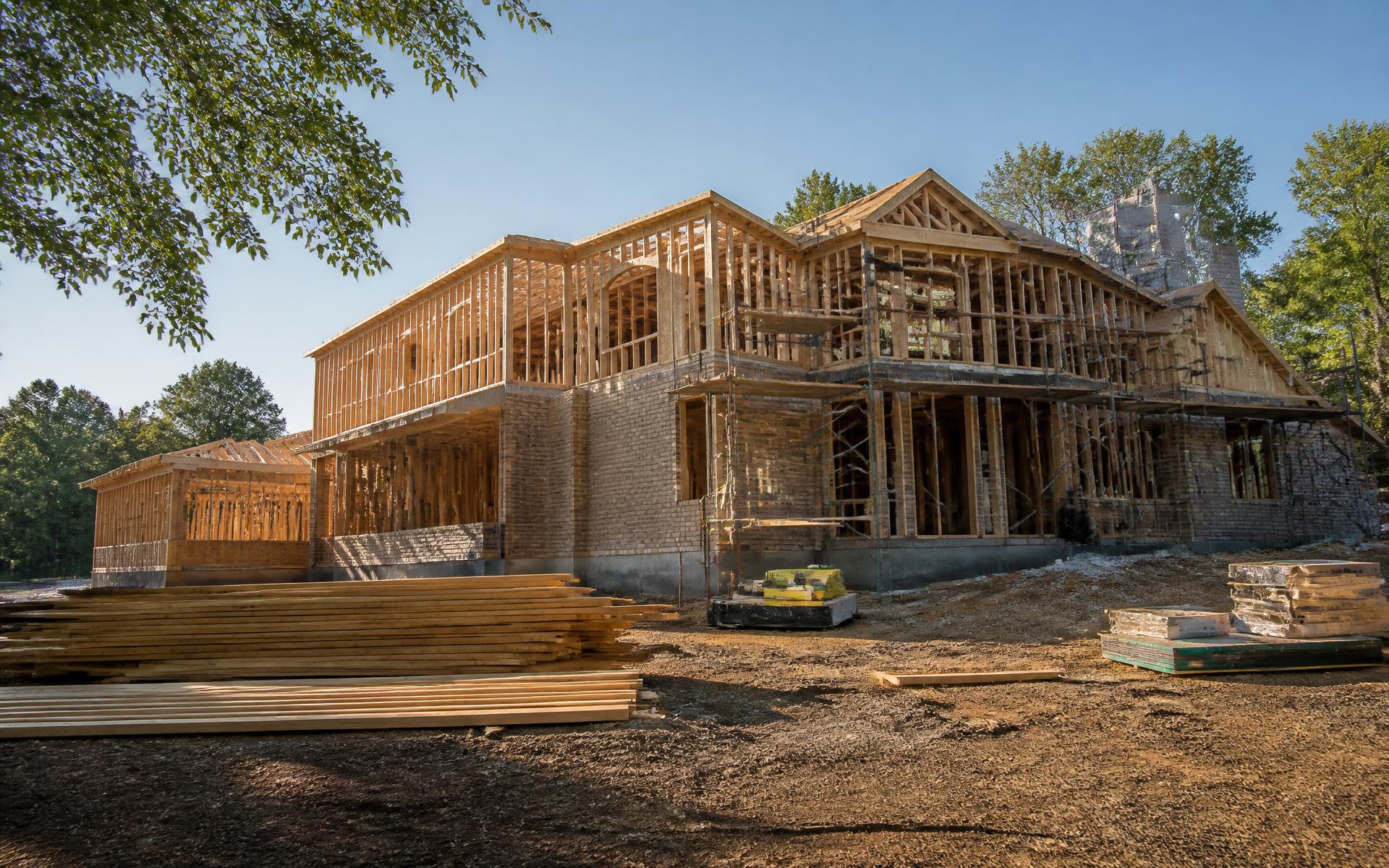
A clear-eyed accounting of where early twentieth-century domestic fabric retains enduring value in Myers Park, and where modern functional demands make replacement the wiser path.
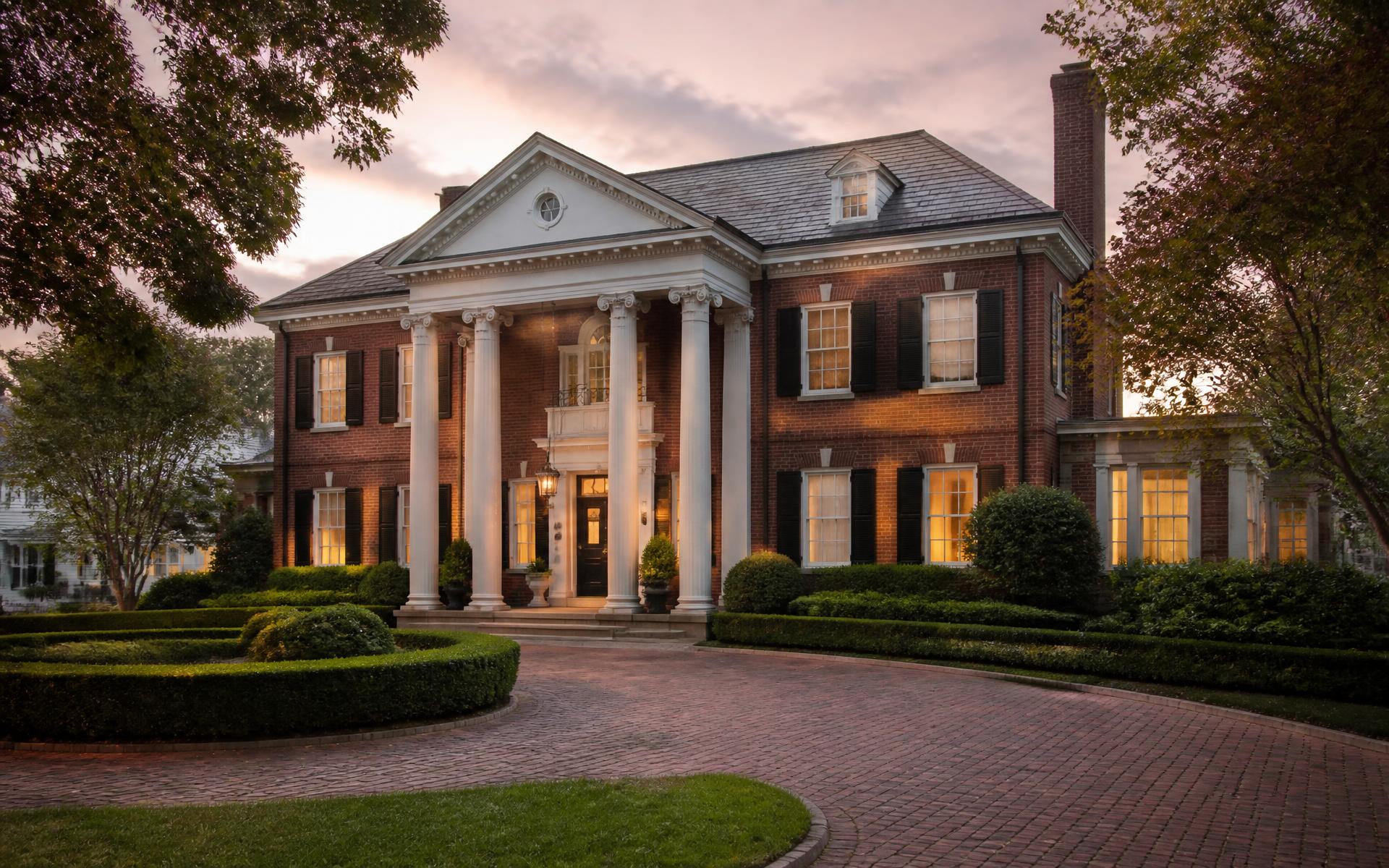
A visual guide to identifying the Colonial Revival, Tudor, and Georgian residences that define the streetscapes of Myers Park, examining rooflines, masonry, and architectural symmetry.
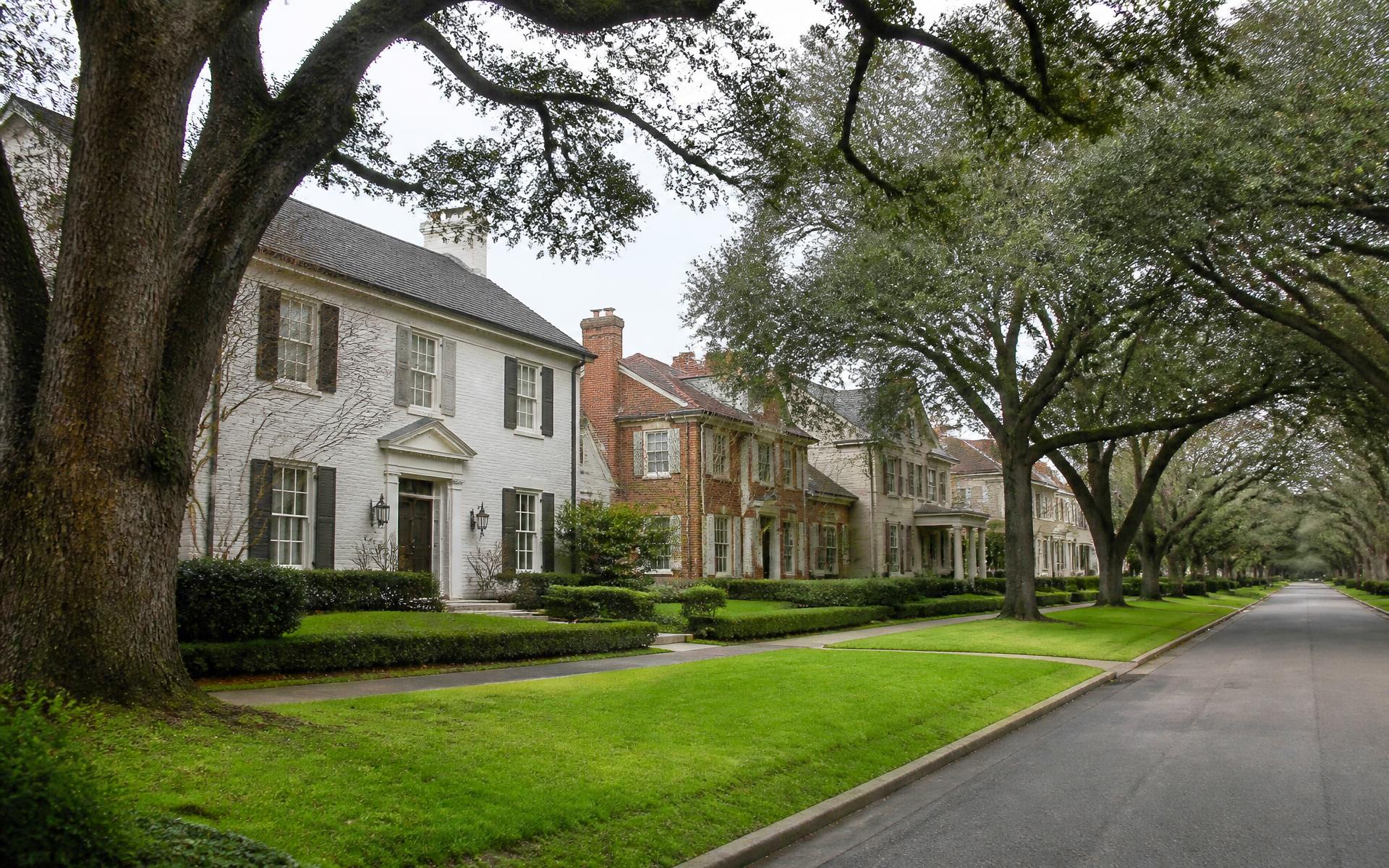
In Myers Park, lot acreage tells only half the story. Topography, root zones, and garden depth dictate genuine utility and enduring value.

A study of setbacks, porch treatments, and roof geometries along Queens Road West reveals how early twentieth-century domestic architecture negotiated public formality and private reserve.

When the willow oaks drop their leaves, John Nolen's 1911 landscape design emerges in full view, revealing the underlying topographic logic of Myers Park's curved streets.