When planning a cultural visit in south Charlotte, visitors often encounter an immediate point of confusion: the Mint Museum operates across two distinct facilities separated by several miles. While the Uptown location rises along South Tryon Street amid glass towers and structured parking decks, the historic Mint Museum Randolph occupies a secluded parkland parcel at 2730 Randolph Road in neighboring Eastover. For residents of Myers Park and adjacent streets, the Randolph campus remains a favored destination precisely because it belongs to a tranquil residential landscape rather than the commercial center.
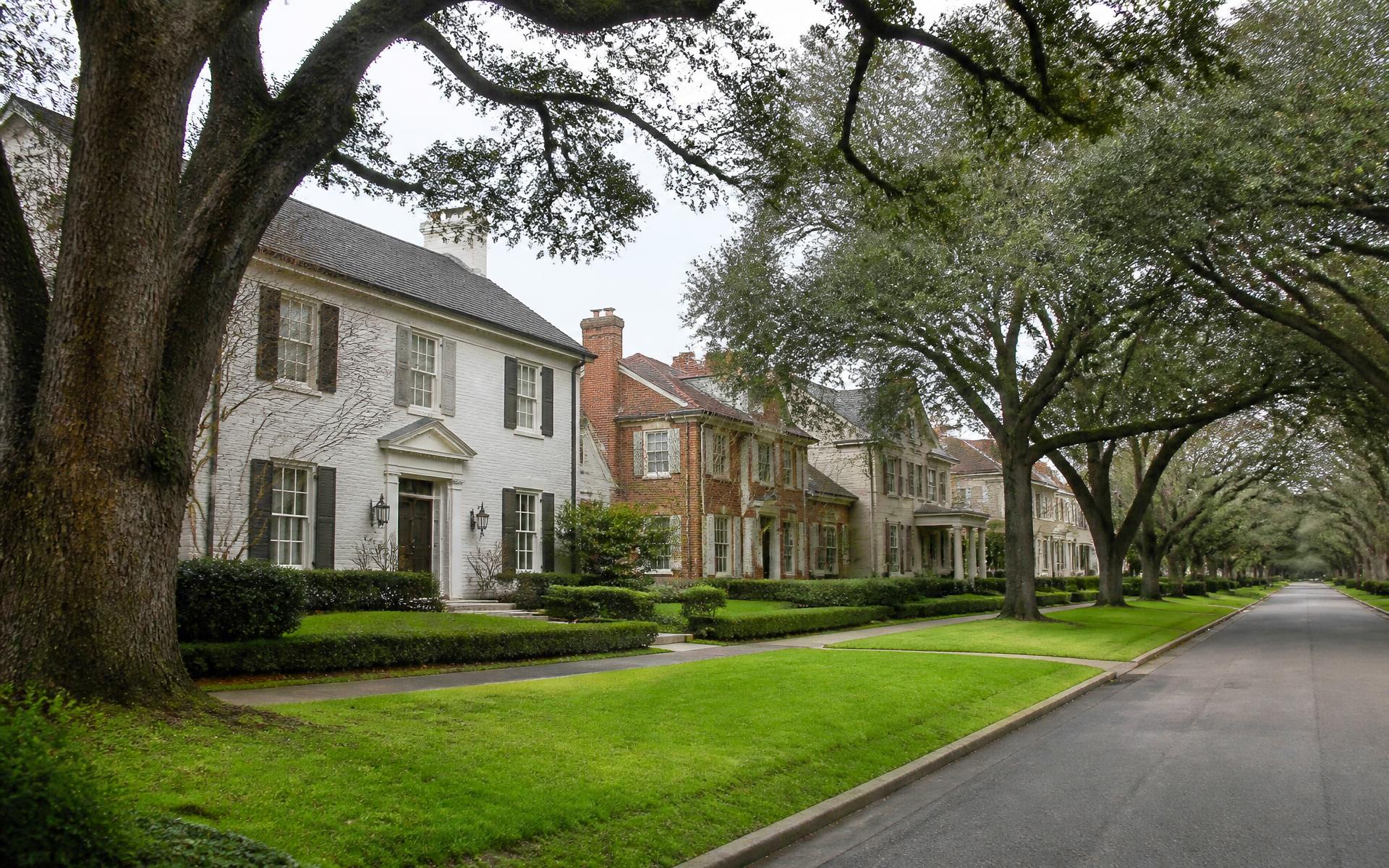
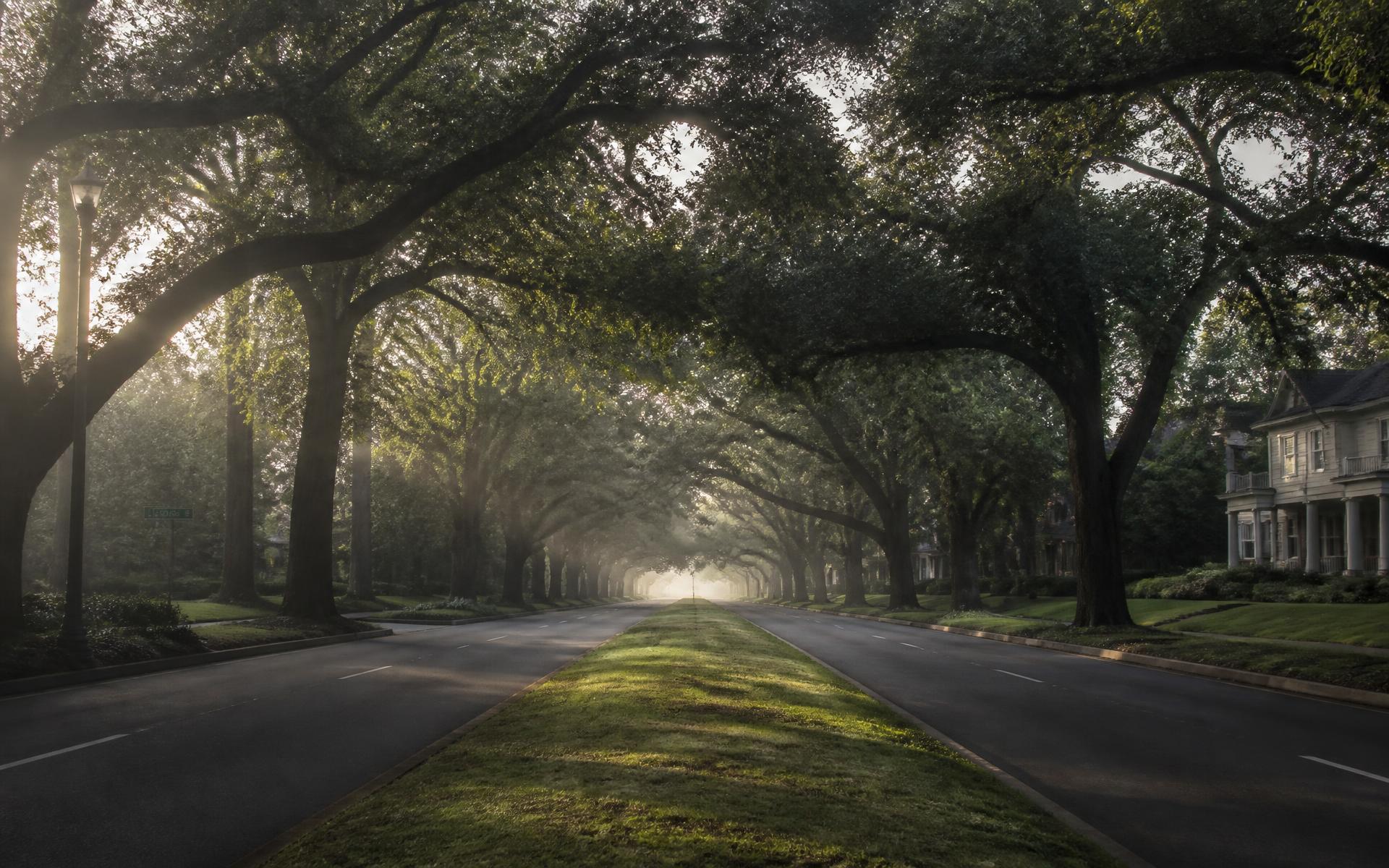
Approaching the grounds from the Myers Park border, the pace shifts perceptibly. Randolph Road is lined with established oak trees, quiet institutional properties, and traditional residential architecture. The museum itself, housed in a reconstructed federal building with later additions, sits surrounded by rolling lawn and wooded borders. It provides an unhurried museum experience where gallery contemplation is untethered from the rush of urban traffic.
Understanding what makes this campus unique begins with recognizing its distinct identity. Rather than attempting to absorb both Mint locations in a single afternoon, a focused outing to Randolph allows the historic architecture and specialized collections to receive proper attention. For broader cultural planning across the neighborhood, consult the canonical gardens and culture directory, which charts the regional arts landscape in depth.
Two Campuses and the Distinction of Randolph Road
The primary source of administrative confusion for travelers and newcomers is the administrative division between the Mint Museum Randolph and Mint Museum Uptown. The two institutions share a permanent collection and administrative umbrella, but their physical environments could hardly be more different. Uptown functions as a contemporary civic showpiece integrated into the Levine Center for the Arts, while Randolph retains the intimate atmosphere of a historic estate museum.
Because the institutions maintain completely independent schedules, visiting arrangements, and exhibition rotations, checking official hours specifically for the 2730 Randolph Road address is essential before leaving home. An exhibition or event scheduled for the Uptown campus will not be found along Randolph Road, and admission policies or member privileges should always be verified on the museum's official planning page. By maintaining clear geographic boundaries between the two sites, visitors avoid unnecessary crosstown transit and can immerse themselves in the quiet rhythms of Eastover.
The physical setting of Randolph shapes the entire experience. Instead of subterranean parking garages and automated elevators, visitors arrive at surface parking nestled beneath canopy trees. The transition from sidewalk to entrance feels gradual and domestic, preparing the visitor for galleries that emphasize decorative arts, ceramics, craft traditions, and historical works in a contemplative light.
The Rhythm of the Historic Museum Setting
The core building at Randolph carries a remarkable architectural history, having originally served as the first branch of the United States Mint in the 1830s before being moved and reconstructed in Eastover a century later. Inside, the exhibition spaces are human-scaled. Unlike cavernous modern galleries designed to overwhelm the senses, these rooms allow for close study of ceramic vessels, decorative furnishings, and curated historical canvases without aesthetic fatigue.
Designers and collectors often appreciate this setting for its focus on craftsmanship and material integrity. Studio practices that prize enduring materials—principles also observed by interior firms such as Emerald & Oak—find resonance in the permanent installations dedicated to porcelain, woodwork, and regional pottery traditions. The tactile qualities of the collections mirror the decorative nuances found throughout historic southern architecture.
Because the galleries are rarely subjected to the crushing crowds seen in national urban centers, a visit here can proceed at a natural, reflective tempo. One can spend ten minutes examining the glaze on a single stoneware piece or admiring the joinery of classical cabinetry without being pressed forward by tour groups. It is an environment suited to deliberate looking, sketching, or quiet conversation.
Connecting Eastover and Myers Park Geography
Although the museum sits firmly within the municipal boundaries of Eastover, its relationship to Myers Park is intimate and historic. The two neighborhoods touch along residential side streets and shared corridors, united by a shared commitment to mature tree canopies and classical town planning. Examining this transition offers an engaging way to explore neighboring neighborhoods on either side of the boundary line.
Visitors who appreciate cultivated landscapes often combine their museum plans with other managed outdoor destinations nearby. For instance, the historic Semans Gardens at the Duke Mansion on Hermitage Road, or the managed bird sanctuary at Wing Haven on Ridgewood Avenue, represent distinct, separately ticketed cultural institutions in the area. Each location enforces its own admission rules, visitor etiquette, and seasonal hours, meaning they should never be treated as an open walking loop, but rather as distinct itinerary stops that together illustrate the region’s horticultural and architectural traditions.
By treating the Mint Museum Randolph as a dedicated anchor point, the surrounding domestic architecture becomes part of the day's visual education. The brick facades, slate roofs, and boxwood allées of Eastover complement the classical symmetry of the museum’s central pavilion, offering an afternoon immersed in local architectural continuity.
Planning an Evening Sequence on Providence Road
Following an afternoon in the galleries, the natural progression leads toward Providence Road, which acts as the historic transit spine linking Myers Park and Eastover. Rather than rushing home or back to Uptown, many visitors elect to extend their excursion with an unhurried evening meal nearby, a classic choice when assembling a refined date night sequence.
Several long-standing dining options sit along the Providence Road corridor. Toward the Eastover boundary, Stagioni occupies a historic house at 715 Providence Road, offering Italian-inspired dining in an intimate residential setting. Further down the street, near the intersection of Myers Park and Eastover at 511 Providence Road, Fenwick's has provided casual comfort-food dining for decades. Those seeking lighter fare or an afternoon espresso before dinner might stop at Not Just Coffee's Providence Road location at 421 Providence Road, or pick up artisanal provisions at Pasta & Provisions at 1528 Providence Road.
It is important to remember that these destinations are separately operated businesses requiring independent arrangements. An afternoon spent among the decorative arts followed by dinner in a converted historic house requires individual reservations and vehicular transit, as the distances along major thoroughfares do not lend themselves to continuous pedestrian walks. Checking current dinner service schedules and booking dining tables directly with each restaurant ensures an effortless conclusion to the cultural outing.
For those looking to coordinate additional outings across the southern corridors, our curated guide on how to plan your weekend offers detailed recommendations for sequencing cultural visits and neighborhood dining.
Editorial note: this entry is part of the AI-assisted weekly journal published by Live Myers Park, not a firsthand visit or independently reported review. Figures, boundaries and school assignments change — verify anything you intend to rely on with the primary source. Nothing here is legal, tax or real estate advice.