
Building an Evening Around the Table in Myers Park
Centering an evening on a specific dining room rather than improvising after an afternoon outing creates a coherent schedule across Myers Park, Eastover, and nearby commercial corridors.
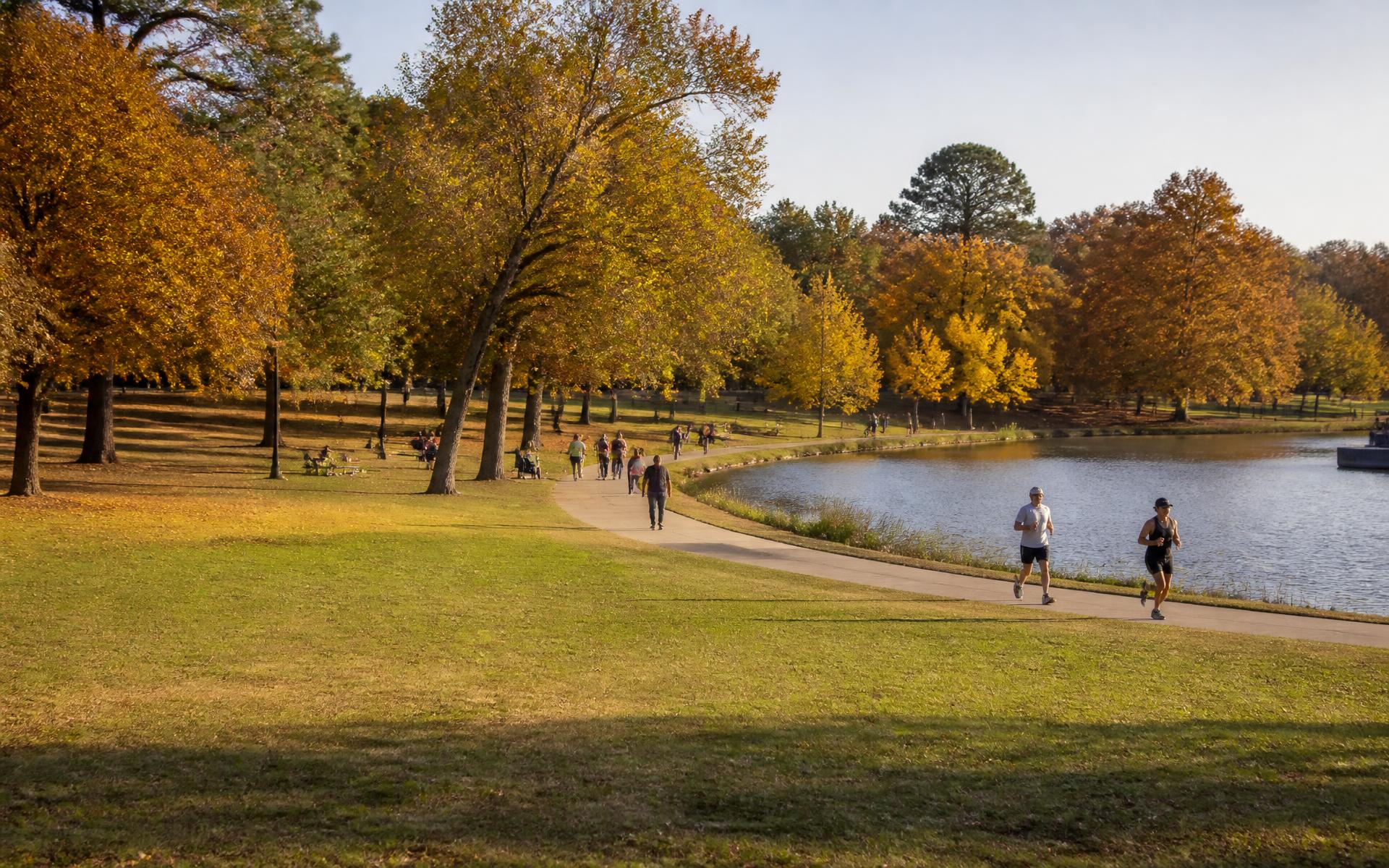
Parks & Walks
· 5 min read · Live Myers Park editorial team
Editorial illustration · not a documentary photograph
Descriptions of neighborhood walks often suffer from an excess of certainty. Compilations and informal itineraries frequently promise precise loop mileages, effortless transitions across municipal curbs, and uninterrupted shade from one district to the next. In daily practice, moving between park spaces and residential streets rarely matches such neat sketches. A fallen branch, routine maintenance along a path, or an unexpected change in terrain can quickly alter how an outing feels underfoot.
Approaching green spaces with intention means setting aside prefabricated walking loops in favor of official guidance and explicit points of arrival. Rather than assuming that two adjacent parkland areas share an unbroken pedestrian route, experienced visitors start with the operating entity, determine where access actually begins, and permit the terrain to dictate the duration of their time outside.
This disciplined approach preserves the quiet character of outdoor leisure. When an afternoon is freed from arbitrary mileage targets and unverified walking routes, time spent under the trees becomes more restorative, grounded in the realities of the landscape rather than an overextended itinerary.
In Charlotte, outdoor spaces vary considerably in ownership, maintenance schedules, and permitted public uses. A property managed by Mecklenburg County Park and Recreation operates under a different set of rules, seasonal closures, and facility booking guidelines than an independent historic preserve or a private arboretum.
For public parkland, checking current notices from Mecklenburg County Park and Recreation provides the only reliable baseline for field conditions, shelter reservations, and facility access. Casual assumptions about park amenities often overlook routine closures for stream restoration, seasonal turf repair, or scheduled community events. Taking a moment to verify county notices before leaving home ensures that you arrive with expectations matched to current field reality.
A broader orientation to the public recreation inventory is detailed in our parks overview, which frames these public assets within their proper civic context. Checking the operating entity first prevents the frustration of encountering locked gates or blocked trail segments after arrival.
Large public spaces rarely have a single, universal character. A prominent destination like Freedom Park, situated between Dilworth and Myers Park with its address at 2435 Cumberland Avenue, presents different approaches depending on where one enters the grounds. Choosing a specific entrance rather than navigating toward a generalized boundary is essential for an orderly visit.
Entering from Cumberland Avenue places a visitor directly within reach of the central lake and established recreation spaces, while approaching from connecting residential streets presents distinct street-parking conditions and pedestrian crossings. Detailed planning for this specific space is addressed in our guide to Freedom Park, where the distinction between park amenities and connecting neighborhood streets is examined in depth.
Smaller county spaces require the same degree of clarity. Edgehill Park, located at 975 South Edgehill Road in Myers Park, serves an entirely different purpose than a regional park. Its compact residential setting provides an intimate outdoor breathing space, yet it should never be assumed to offer the extensive facilities, dedicated parking bays, or continuous paved surfaces of a larger county destination. Knowing where the boundary meets the street allows for an unhurried, respectful arrival that suits the immediate domestic surroundings.
Confusion often arises when public park outings are conflated with visits to historic gardens and private sanctuaries located within the same neighborhood grid. Myers Park contains managed botanical and cultural landscapes that require distinct visitor etiquette and structured check-in procedures.
Wing Haven, situated on Ridgewood Avenue with office and parking facilities at 260 Ridgewood Avenue, encompasses the Garden and Bird Sanctuary, the Elizabeth Lawrence House and Garden, and the SEED Wildlife and Children’s Garden. It operates as an admission-based sanctuary with specific visiting policies, established paths, and designated hours. It is not an extension of the municipal park system, nor is it an open recreational lawn for unguided pedestrian exercise.
Similarly, the Mary D.B.T. Semans Gardens at the Duke Mansion, located at 400 Hermitage Road, surround an operating historic inn. While the estate’s published policies detail garden-visiting arrangements for the public, these grounds exist in harmony with private guest accommodations and booked gatherings. Strolling these grounds requires checking estate guidance in advance, understanding that garden access does not grant entry to interior rooms or private functions. Keeping these destinations separate from open county park outings preserves their tranquil, curated environments.
An outdoor outing rarely ends at the park gate, but bridging the gap between open green space and nearby retail requires clear geographical awareness. Many published guides imply that one can wander effortlessly from a lakeside bench into an independent café, blurring the boundary between residential streets and commercial corridors.
When planning a pause after time outside, choose the subsequent address deliberately rather than assuming contiguous sidewalks or predictable walking durations. For instance, those planning to visit Mugs Coffee near the intersection of Park Road and Selwyn Avenue should note that this storefront operates as a distinct South Charlotte retail destination rather than an amenity inside the interior residential blocks of Myers Park. Deciding whether to drive or walk between such destinations depends entirely on individual mobility, weather, and verified street conditions.
The same discipline applies when pairing recreation with grocery errands or casual dining along Selwyn Avenue. Reid’s Fine Foods at 2823 Selwyn Avenue combines gourmet market shopping with restaurant service, but operating hours for the dining room and market counter differ. Confirming these arrangements independently ensures that an afternoon transitions smoothly without unnecessary detours or mistaken schedules.
Neighborhoods defined by mature canopies and historic residential design often tempt visitors into overambitious walking plans. While architects and builders, including Peters Custom Homes, take great care to honor the natural roll of the topography when shaping private home sites across the area, the public streetscape remains a shared civic environment governed by its own natural rhythms and municipal repairs.
Setting aside fixed mileage goals allows you to engage with the scenery as it actually exists. An unmeasured hour spent around the water or under old oaks offers greater calm than an outing spent checking a pedometer or trying to locate an unverified pathway connection. By checking official notices, selecting an exact entry point, and respecting the boundaries between public parks and private grounds, you ensure every hour spent outdoors remains genuine, unhurried, and safe.
To explore how active recreation fits into a balanced weekend in the neighborhood, consult our guide to wellness and recreation.
Editorial note: this entry is part of the AI-assisted weekly journal published by Live Myers Park, not a firsthand visit or independently reported review. Figures, boundaries and school assignments change — verify anything you intend to rely on with the primary source. Nothing here is legal, tax or real estate advice.
More from the journal
Centering an evening on a specific dining room rather than improvising after an afternoon outing creates a coherent schedule across Myers Park, Eastover, and nearby commercial corridors.

Before drawing construction plans for an older Myers Park residence, owners benefit from systematically examining site drainage, existing framing limits, mechanical chases, and neighborhood scale.
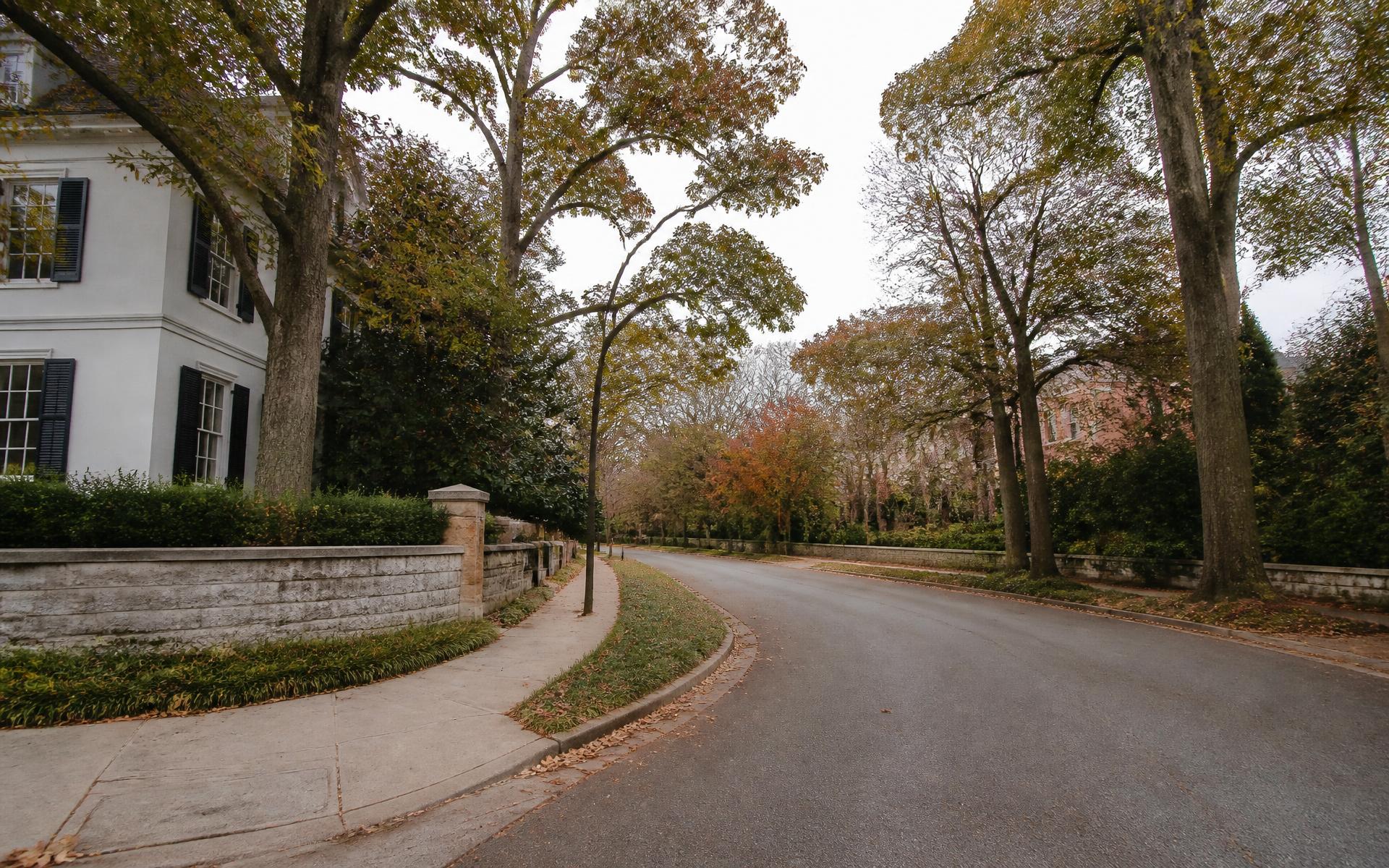
An unhurried weekend in Myers Park works best when limited to a single anchor and one supporting stop, pairing quiet garden strolls or gallery visits with thoughtful neighborhood dining.
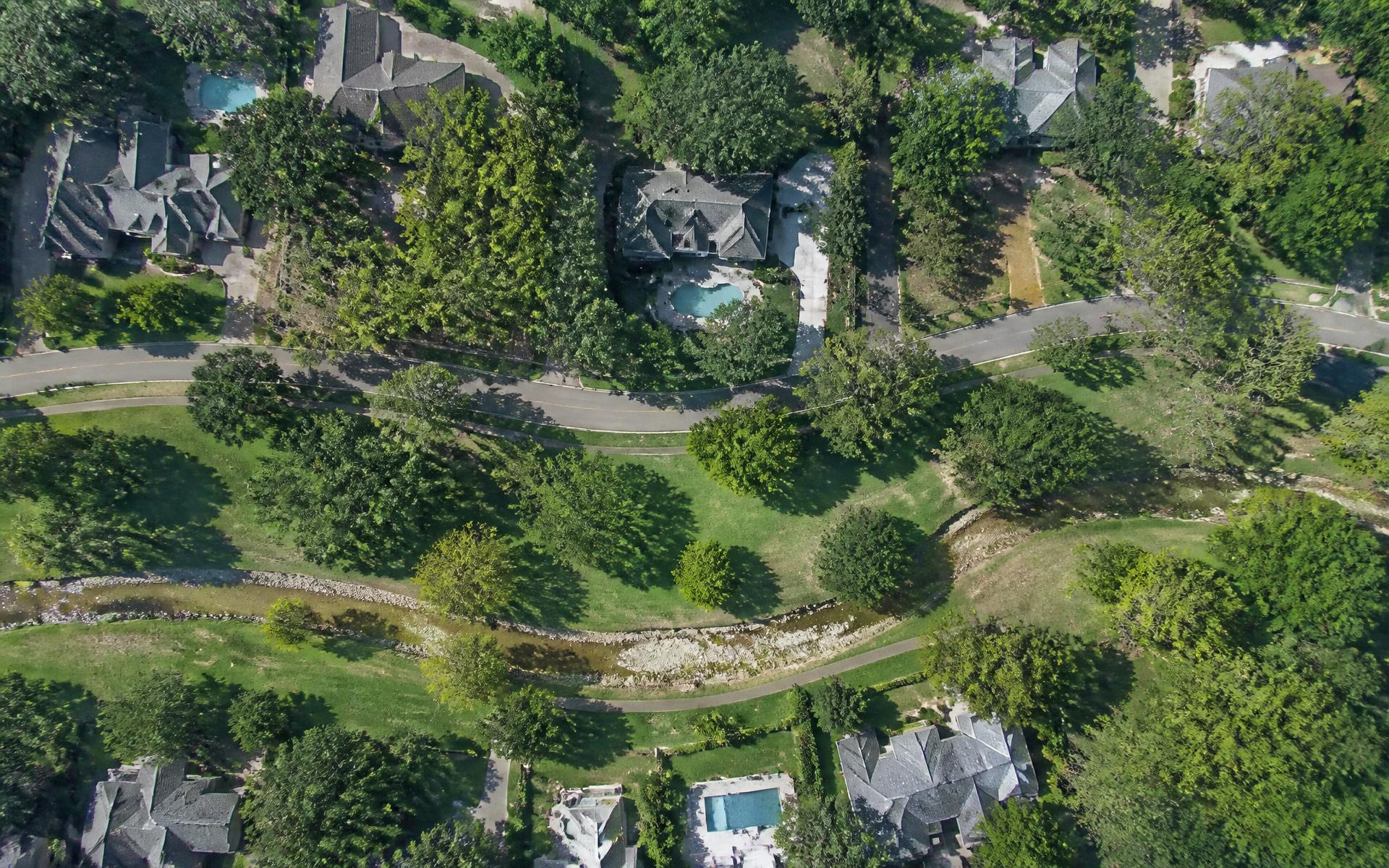
A neighborhood label often drifts across Charlotte retail districts, postal codes, and legal boundaries. Looking closely at real addresses clarifies how Myers Park actually meets its bordering quarters.

An afternoon at Mint Museum Randolph offers a quiet gallery setting in Eastover. Understanding the distinction between Charlotte's two Mint campuses helps shape an unhurried cultural excursion.
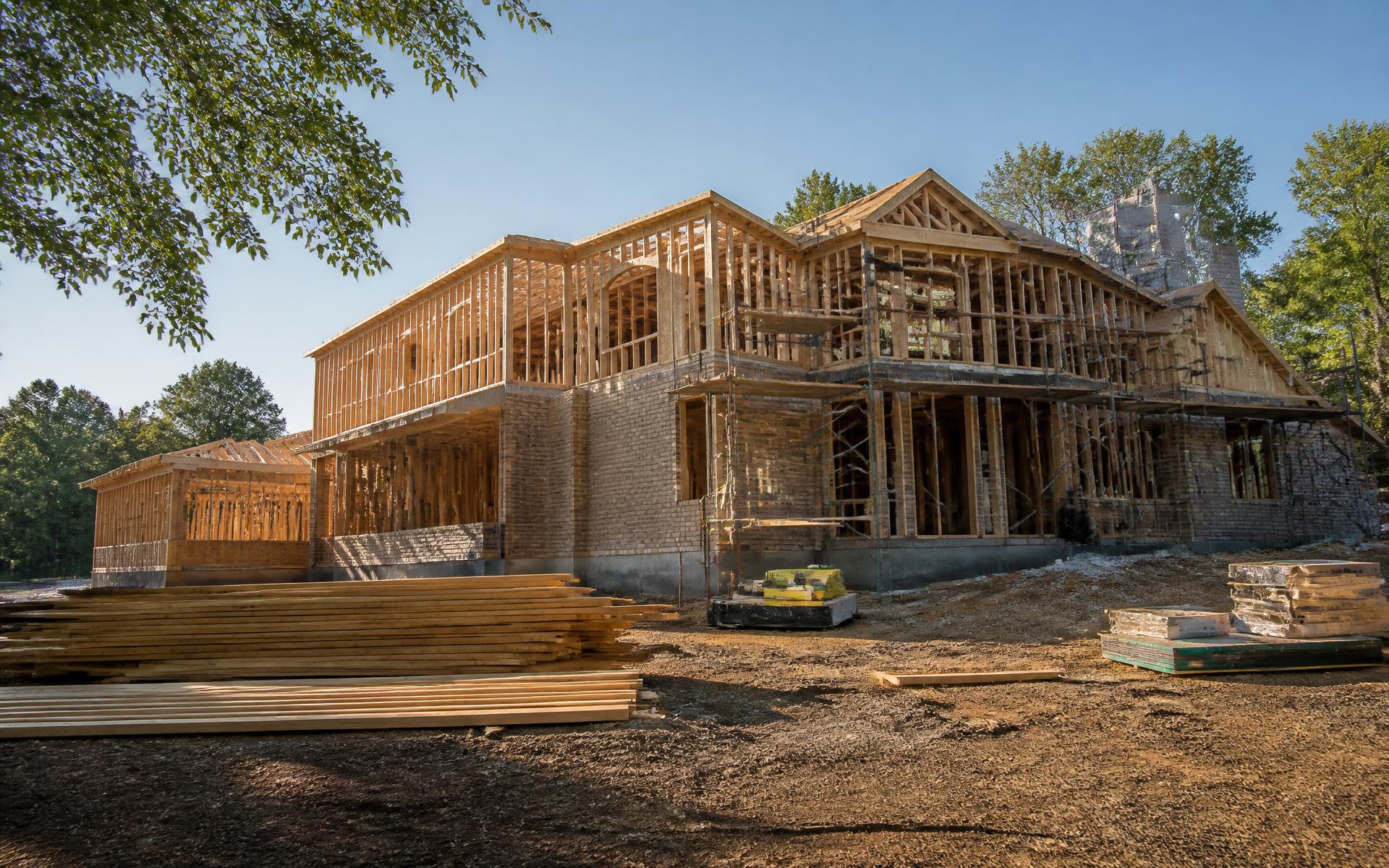
A clear-eyed accounting of where early twentieth-century domestic fabric retains enduring value in Myers Park, and where modern functional demands make replacement the wiser path.